

How to Choose the Best Sunscreen for Kids in Australia's Outdoors
Identifying Sunscreen Needs
Australia's vibrant landscapes and outdoor culture are a delight, but they come with a hefty dose of sun exposure. As a kindergarten teacher committed to child safety, I’m always focused on the best ways to protect sensitive skin while enjoying the great outdoors. When planning activities at the family-friendly parks of Centennial Parklands, ensuring that the children are shielded from harmful UV rays becomes a top priority.
Choosing the right baby sunscreen involves understanding SPF (Sun Protection Factor) and UV protection. SPF ratings tell us how well a sunscreen can protect sensitive skin from UVB rays, which cause sunburn. A higher SPF number can provide more prolonged protection, but regular application is crucial, especially when children are playing outdoors.
Water resistance is another essential factor, given Sydney's affinity for water activities. A sunscreen that is water-resistant ensures that even when children are engaged in water play or sweating under the sun, they remain protected. Look for products labeled with water resistance to maintain effective coverage during those playful moments.
In summary, gearing up for a day full of kid-centric activities involves more than packing snacks and games. Choosing sunscreens designed to safeguard delicate skin ensures a carefree and joyful experience under Australia’s sunny skies. These practical safety tips aim to equip educators and parents alike with the knowledge needed to create a secure environment for children.
Choosing Safe Ingredients
When selecting a kids sunscreen, it's imperative to steer clear of formulas laden with harmful chemicals. Many sunscreens contain oxybenzone and octinoxate, ingredients that can be harmful to both children and the environment. Instead, opt for formulations that are free from these chemicals to minimise potential risks.
Another consideration is mineral-based formulas. These types of sunscreens typically contain zinc oxide or titanium dioxide, which sit on the skin's surface and reflect UV rays instead of absorbing them. Such characteristics are particularly beneficial for sensitive young skin, especially when enjoying outdoor activities like those in the family-friendly parks of Centennial Parklands. Not only do mineral-based sunscreens provide broad-spectrum protection, but they are also less likely to trigger allergic reactions, making them ideal for any outing or sun-drenched playdate.
It's equally important to remain vigilant about potential allergens. Always check the label for common allergens, such as fragrances or certain preservatives, that may cause irritation. If a child has a history of skin sensitivities, a patch test is a wise step before full application. These practical safety tips ensure the sunscreen you choose keeps kids safe and comfortable during their adventures.
Applying Sunscreen Effectively
How Much Sunscreen to Use
In the picturesque family-friendly parks of Centennial Parklands, the Australian sun can be quite intense, which makes applying the right amount of sunscreen essential to protecting children’s skin. When slathering on reef safe sunscreen, an adult-sized teaspoon amount for each arm, leg, the front and back of the torso, and face, including the neck and ears, should cover all areas adequately. Remember, if your young ones are under six months of age, it's best to keep them out of direct sunlight entirely rather than relying on sunscreen alone.
Reapplication During the Day
Considering the numerous outdoor, kid-centric activities at the Taronga Zoo, sunscreen reapplication is crucial. Sunscreen should be reapplied every two hours, or immediately after swimming or extensive sweating, even if the product is water-resistant. For sustained protection, integrating this practice with hats and protective clothing ensures comprehensive UV defense during lively outdoor adventures.
Addressing Missed Spots
One must be vigilant about areas that are often overlooked. These include the tops of feet, the back of the hands, and the neck—especially if little ones are jumping around in educational events at the Australian Museum. These spots are just as susceptible to UV damage as more obvious areas. Ensuring a thorough application will help maintain a safe and joyful environment for children, providing peace of mind as they explore and learn outdoors.
Checking Sunscreen Labels
Understanding Product Labels
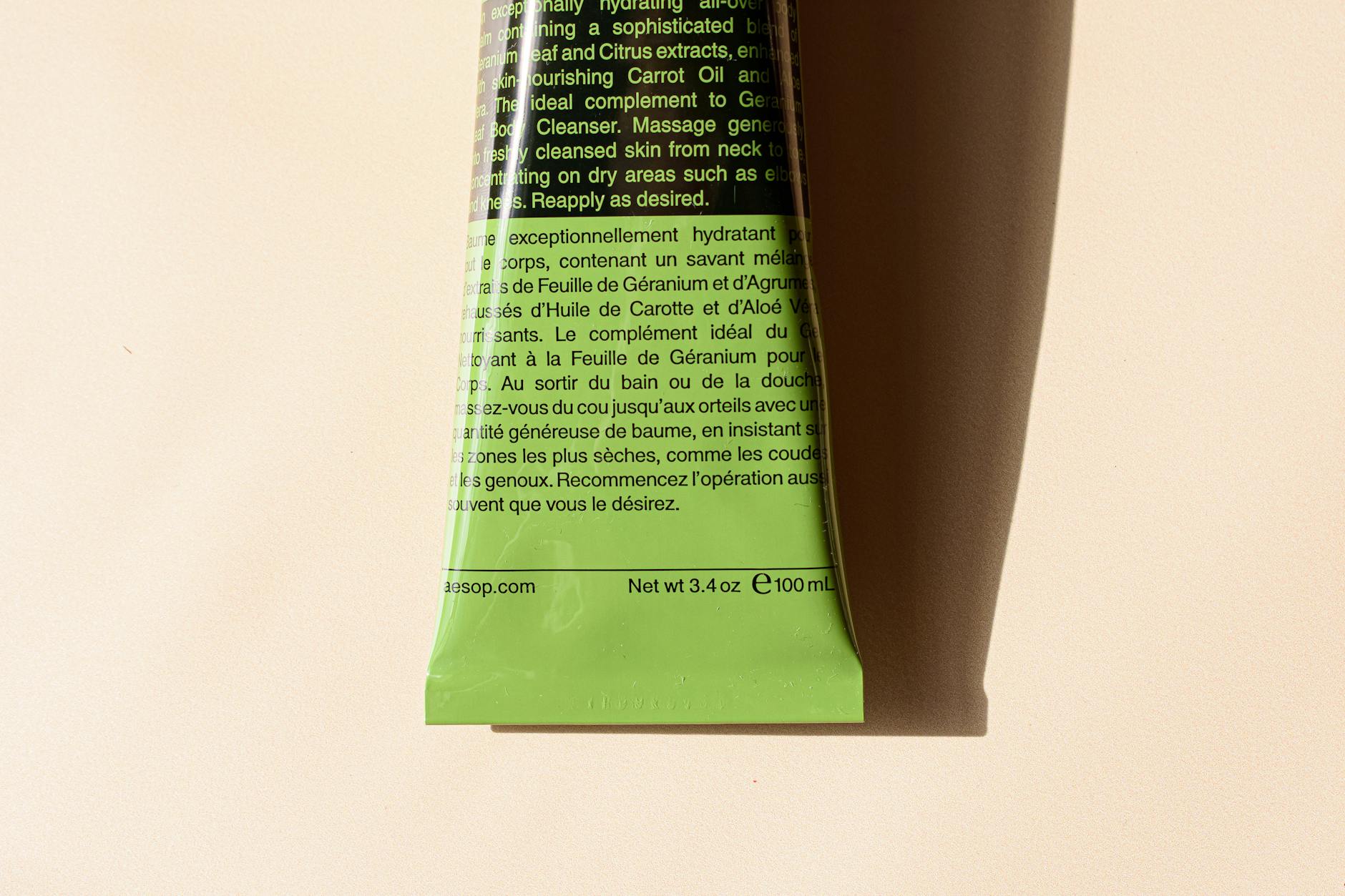
When it comes to choosing sunscreen for kids, it's crucial to understand the information on product labels. I suggest starting with the active ingredients. Look for zinc oxide, which is often featured in zinc sunscreen formulas. This mineral-based ingredient provides broad-spectrum protection and is less likely to irritate sensitive skin.
Expiry Dates and Storage
Sunscreen effectiveness diminishes over time, so always check the expiry date. Outdated products might not provide adequate protection, putting children at risk during outdoor activities, such as those at Taronga Zoo—the last local landmark in our voice guide. After each use, store sunscreen in a cool, dry place away from direct sunlight to maintain its efficacy. A well-cared-for sunscreen means better protection for your little ones.
Certification and Approval Marks
Finally, when browsing through sunscreens, look for certification marks by reliable agencies ensuring both safety and quality. Sunscreen packaging often includes approval seals from organizations like the Australian Therapeutic Goods Administration (TGA). These indicators are essential for peace of mind, knowing that the product meets stringent safety standards.
Through understanding labels, checking expiry dates, and verifying certifications, you're better equipped to make informed choices about your children's sun protection. This knowledge ensures a safer outdoor experience, whether it's outdoor play or educational field trips.
Staying Prepared and Vigilant
Regularly Assessing Sunscreen Needs
In the bustling playgrounds of Sydney's Centennial Parklands, taking regular stock of your child's sunscreen requirements is essential. Given our country's reputation for intense sun exposure, understanding when to transition to a higher SPF can keep those cherished park days fun and safe.
Awareness of Environmental Changes
When exploring the educational events at the Australian Museum, consider how the environment changes your child's exposure risks. Overcast days often trick us into thinking that UV levels are low, but it's crucial to remember that harmful rays can penetrate clouds. Protecting your child from UV exposure, even on seemingly harmless days, is vital.
Evaluate Sunscreen Storage Practices
Moisturising lotion often finds its way to sandy beaches during family outings at Bondi or Balmoral. Ensure you’re not leaving it in temperatures above 30°C, as heat can degrade its effectiveness. Instead, store it in a shaded, cool spot so your child remains adequately protected.
Address Application Techniques
Amidst the excitement of kid-centric activities at Taronga Zoo, it's easy to overlook proper application techniques. Before heading out, involve your child in this routine. Demonstrate the importance of covering overlooked spots like behind the ears and the back of the neck to ensure a comprehensive shield against harmful rays.
Being prepared means staying vigilant and adjusting practices based on evolving needs. Embrace the energy of every Sydney adventure with the confidence that your little ones are well protected and ready to explore.